B1DC5 Fault Code Fix
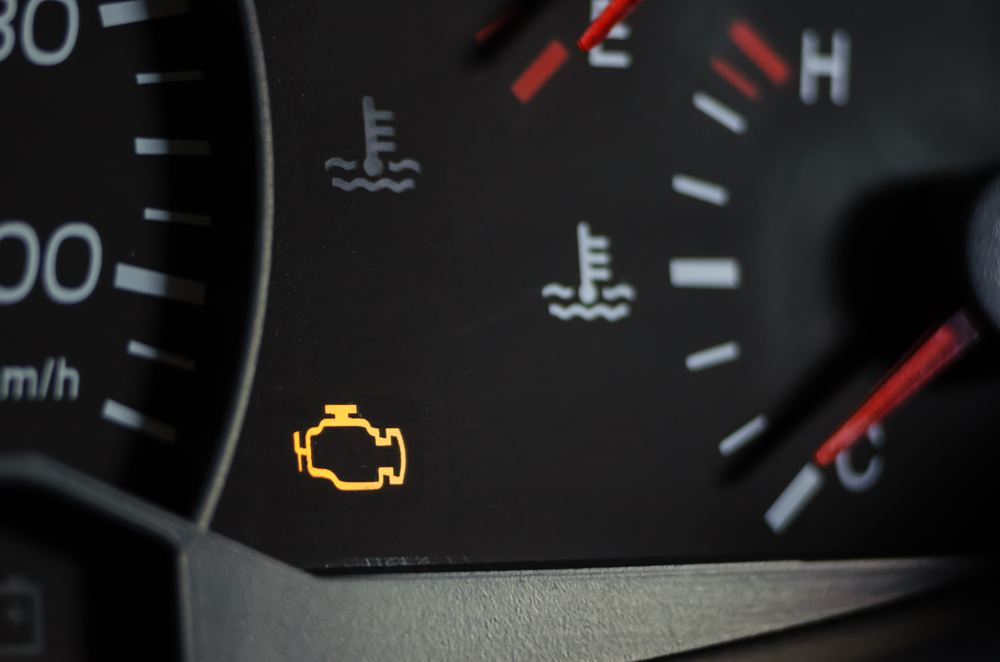
It started with a message appearing on the dashboard: “EV mode temporarily unavailable.”
Mr S wasn’t sure at first how serious the issue was. But the petrol engine continued running on every journey. Electric mode was unresponsive. There was no switching back. Just fuel being consumed mile after mile.
For a plug-in hybrid, that removed one of its primary advantages.
That’s what Mr S was dealing with on his 2020 Range Rover Evoque PHEV. EV mode had dropped out, and the cause wasn’t immediately apparent.
He contacted Fitch Autos in Brownhills to have the fault thoroughly investigated.
The vehicle was booked in without any delay.
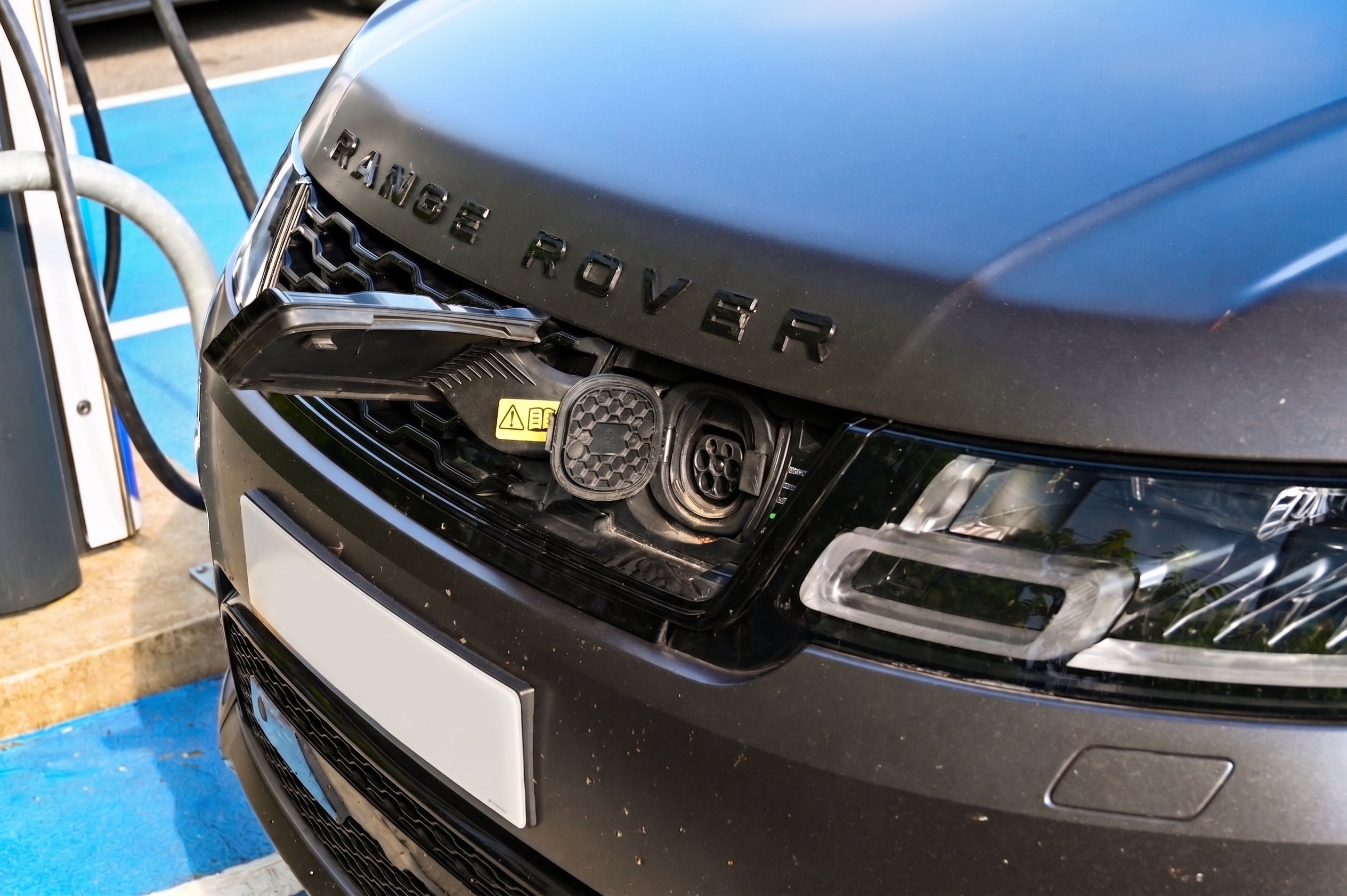
The fault prevented the Range Rover Evoque PHEV from operating in EV mode, forcing the petrol engine to remain running
If you’ve noticed your Range Rover PHEV staying on petrol and refusing to switch to EV mode, several possible faults could be at play. Without a thorough technical investigation, it’s difficult to determine what’s causing it. If you’re experiencing this, get in touch with Fitch Autos in Brownhills and our technicians can help pinpoint the problem.
The First Steps Toward Identifying the Range Rover EV Mode Fault
After Mr S dropped his Range Rover Evoque PHEV off at Fitch Autos, Brownhills, our technicians spoke with him to gain a clear understanding of how the fault was presenting itself. The vehicle would not switch to EV mode, the petrol engine was running from the moment of start-up, and the “EV mode temporarily unavailable” message was appearing on the dashboard display each time.
With the reported symptoms confirmed, our technicians connected dealer-level diagnostic equipment and carried out a full system scan. One fault code was stored in the system:
- B1DC5 High-voltage Coolant Heater #1, no operation.
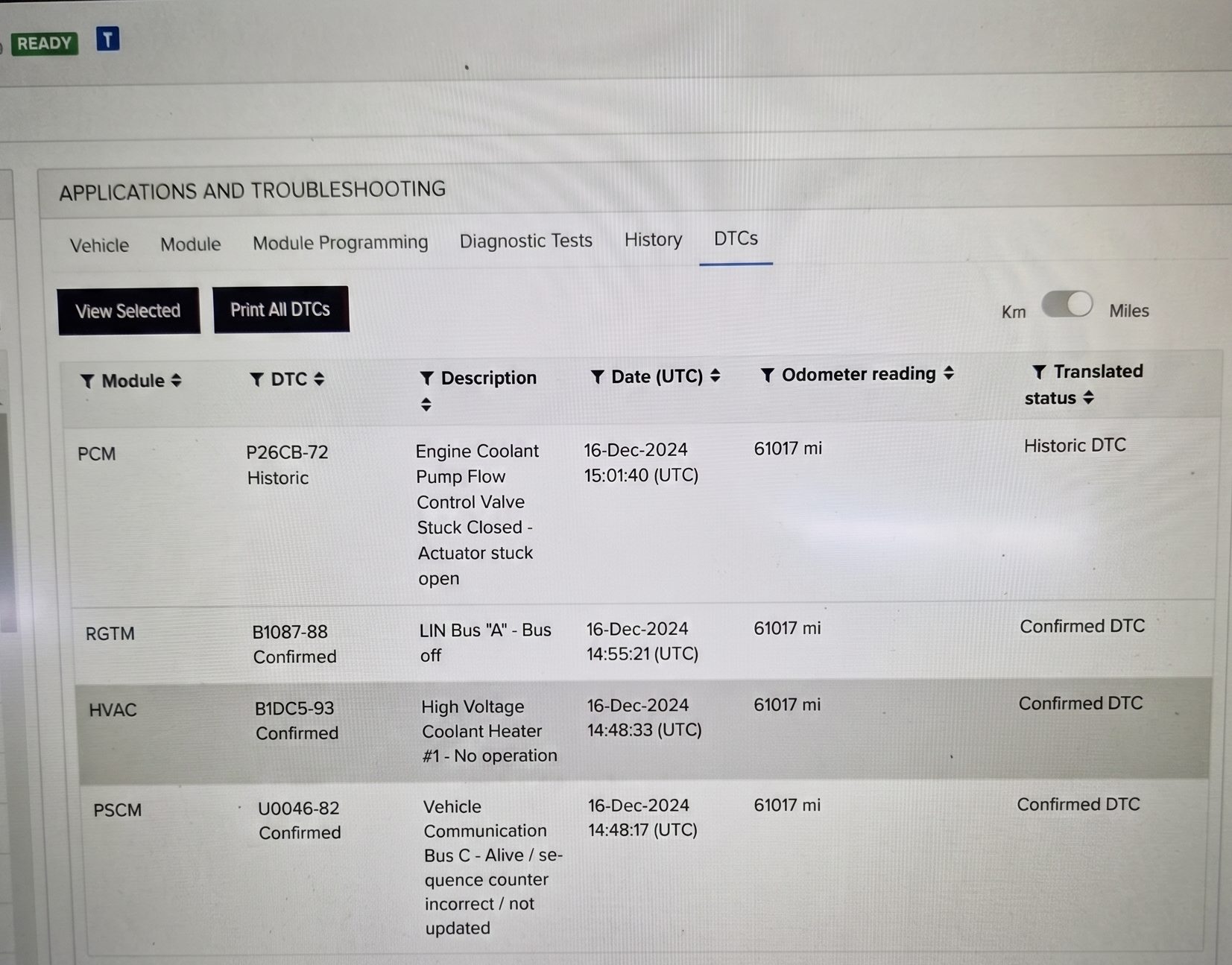
The initial diagnostic scan identified B1DC5-93, indicating no operation from the high-voltage coolant heater
The serial data was reviewed alongside the fault code to build a fuller picture of how the vehicle’s systems were operating at the time.
The fault code highlighted the high-voltage coolant heater, but it hadn’t yet been established whether the heater unit had failed, whether a wiring or connection fault was the cause, or whether the issue was somewhere else in the circuit. PHEV hybrid system diagnostics were needed to confirm the root cause.
How Our Technicians Pinpointed the B1DC5 Fault Code on the Range Rover Evoque PHEV
With an initial direction from the scan results, our technicians began working through the fault methodically. To carry out the correct B1DC5 fault code fix, our technicians needed to test each possible cause until the root cause was found.
Step 1: Consulting manufacturer technical information
The manufacturer’s technical information service was consulted to research the B1DC5 fault code as it applies to the Range Rover Evoque PHEV.
On a plug-in hybrid, the high-voltage coolant heater serves an important role in the vehicle’s thermal management system. It draws power from the high-voltage battery to heat coolant, which provides cabin heating without the petrol engine having to run. When this component fails, the vehicle can no longer heat the cabin electrically. The system may then force the petrol engine to run for cabin heat, making EV mode unavailable.
Understanding this connection was important because it explains how a heater fault can remove the vehicle’s ability to operate in electric mode. It also told our technicians that the investigation should focus on the high-voltage coolant heater and its associated circuit.
Step 2: Checking for technical service bulletins
Our technicians also reviewed the manufacturer’s database for any technical service bulletins or known issues connected to the B1DC5 fault code on this model.
Manufacturer data highlighted known occurrences of high-voltage coolant heater failure on the Evoque PHEV. Although this didn’t replace the need for testing, it added useful context and helped guide the investigation forward.
Step 3: Visual inspection and electrical checks
The area around the high-voltage coolant heater was visually inspected for any signs of damage, corrosion, or disturbance. The wiring and connectors in the same area were also tested electrically.
- No external issues were discovered. The wiring and connectors were intact, with no signs of damage or contamination.
Step 4: Active testing of the high-voltage coolant heater
Using dealer-level diagnostic equipment, our technicians conducted active testing to activate the high-voltage coolant heater directly and check whether it responded.
Working within the vehicle’s high-voltage electrical system, this step was carried out by HV-trained technicians with insulated tooling and the correct safety equipment.
- No response was recorded when the heater was activated directly. The results confirmed the unit had failed.
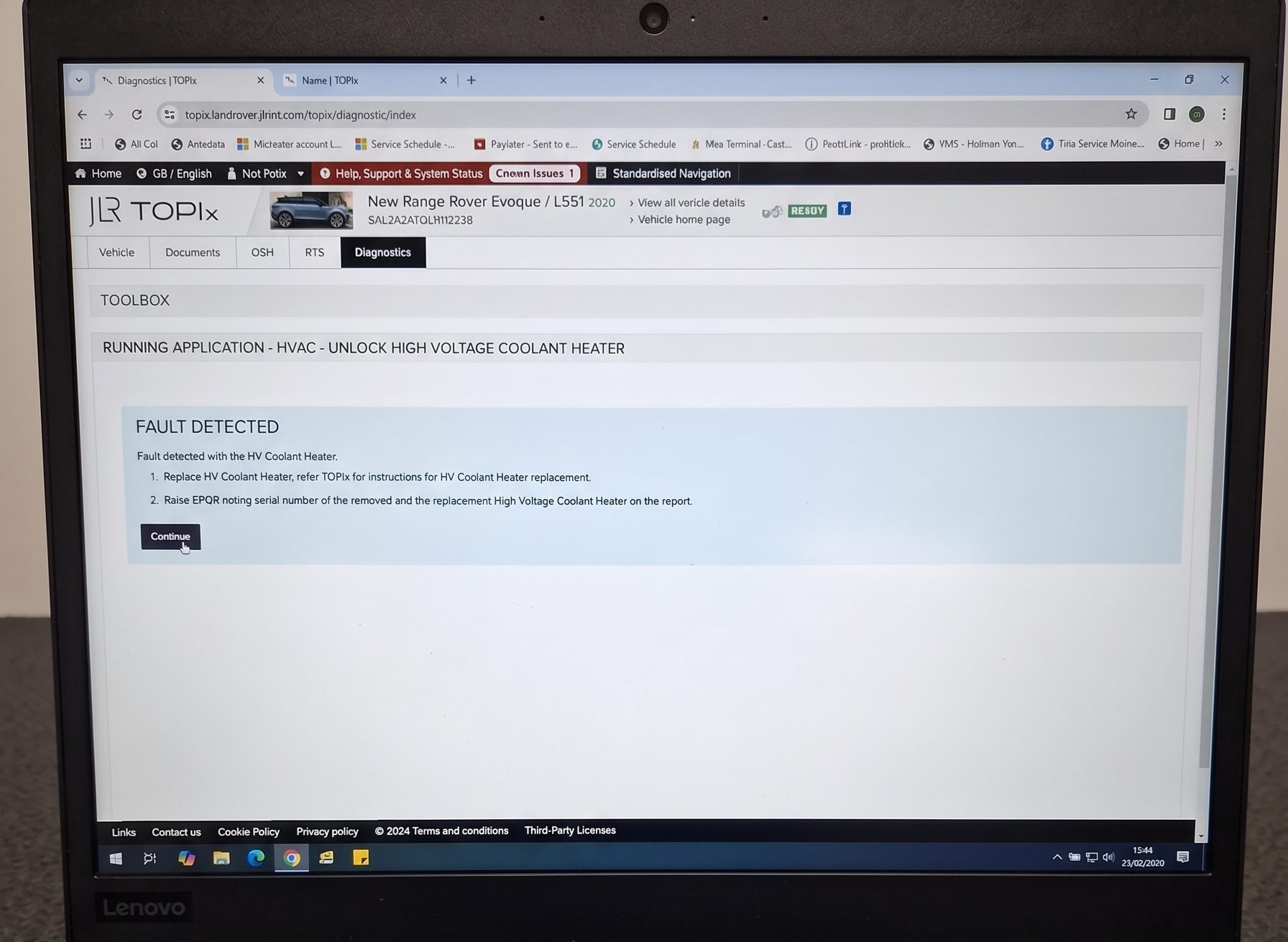
Manufacturer diagnostic testing confirmed a fault with the high-voltage coolant heater and directed replacement of the unit
Step 5: Circuit verification and wiring checks
To confirm that the fault was within the heater unit itself and not present elsewhere in the circuit, our technicians carried out additional circuit verification and wiring checks between the control module and the high-voltage coolant heater.
- Circuit testing confirmed everything was within expected parameters, with the wiring and connections in good order.
The conclusion
With the fault code recorded, the component’s function understood, and external causes ruled out through inspection and electrical testing, our technicians confirmed the high-voltage coolant heater was non-responsive during active testing and identified it as the root cause. This is a recognised failure on the Evoque PHEV, and testing confirmed that Mr S’s vehicle had been affected. The failed heater meant the vehicle couldn’t provide cabin heat electrically, so the system relied on the petrol engine for heat, resulting in the engine running continuously and EV mode being unavailable. That was the cause of the Range Rover EV mode fault Mr S had been experiencing.
With the root cause confirmed, the high-voltage coolant heater needed to be replaced as part of the B1DC5 fault code fix.
Why the High-Voltage Coolant Heater Needed Replacing to Fix the B1DC5 Fault Code
Once our technicians had confirmed the root cause of the B1DC5 fault code, they spoke with Mr S to explain what had been found. We went through the testing that had been carried out, why wiring and connection issues had been ruled out, and why the high-voltage coolant heater required replacement. Once Mr S was happy to proceed, the work began.
High-voltage safety procedures
- The high-voltage system was isolated and made safe as a first step, in accordance with manufacturer procedures, before work began on the heater. All work was performed by an HV-trained technician with insulated tooling and dedicated safety equipment.
Component replacement
- The heater was isolated from the high-voltage system, then disconnected and removed from the coolant circuit.
- Our technicians installed the replacement heater, checking all electrical connections, mounting points, and seals to make sure everything was correctly fitted.
- After refilling the coolant circuit, our technicians tested the system to confirm it was working correctly.
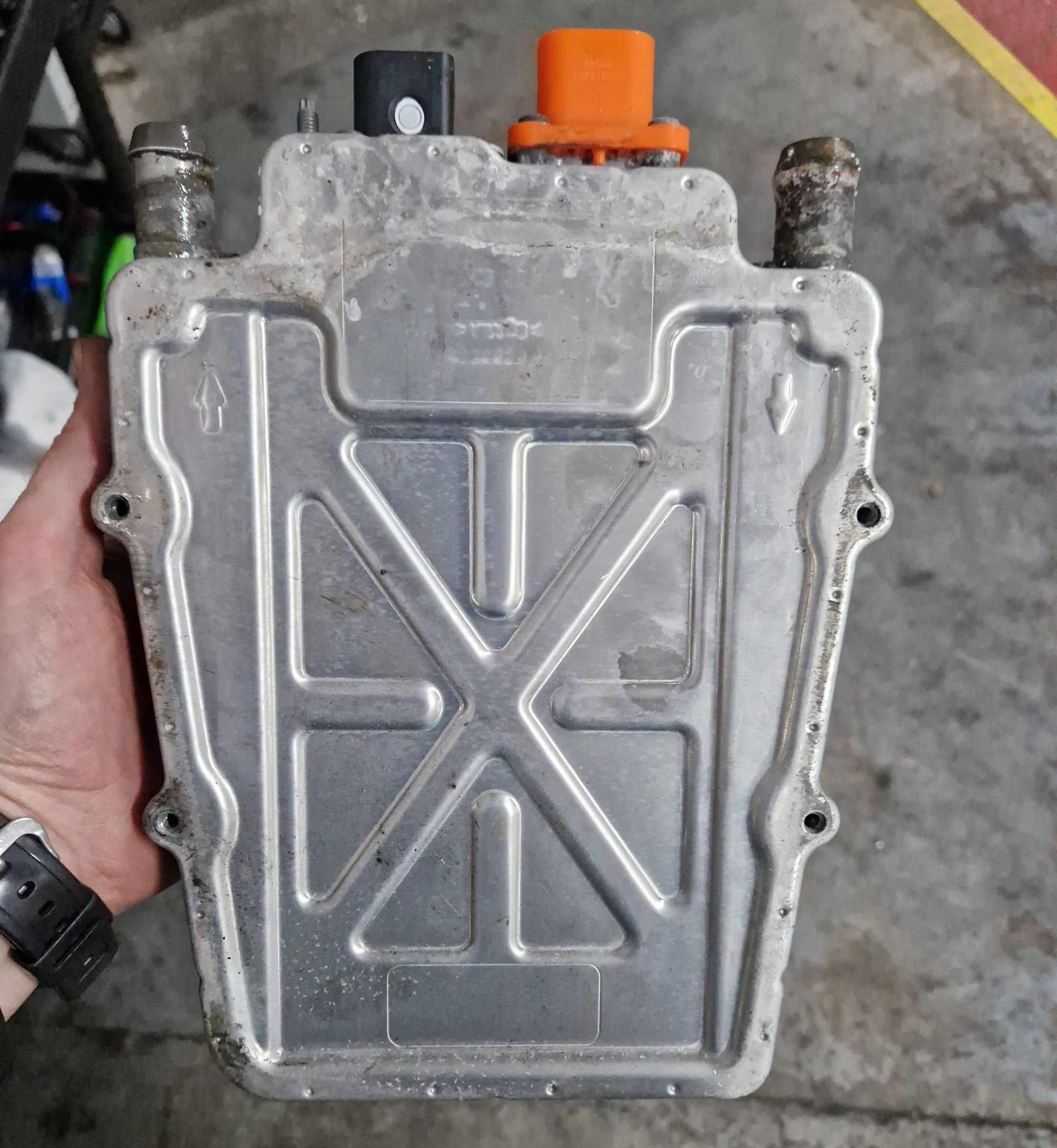
The failed high-voltage coolant heater removed from the Range Rover Evoque PHEV before the replacement unit was fitted
Post-repair verification
- All stored fault codes were cleared from the control module.
- Post-repair checks were carried out with dealer-level diagnostic software to verify the heater was working as it should.
- The vehicle was run and monitored to confirm EV mode was accessible again and that the petrol engine had stopped running continuously.
- A final check across all systems confirmed no fault codes had come back.
Confirmed: The B1DC5 Fault Code Fix Restored EV Mode
Following the replacement, Mr S’s Range Rover Evoque PHEV left Fitch Autos with EV mode restored. The petrol engine was no longer running continuously, the “EV mode temporarily unavailable” message had cleared from the display, and the vehicle was once again operating the way a plug-in hybrid should.
It was a result Mr S was satisfied with: a fault that had stopped him driving on electric was thoroughly investigated, accurately traced to a failed high-voltage coolant heater, and resolved in a single visit. Honest communication throughout the process reinforced his confidence in the repair at every stage.
The benefits of choosing Fitch Autos were clear: a shorter turnaround time, a competitive repair cost, and the knowledge that the work was carried out by HV-trained technicians equipped with the specialist tools and safety procedures that hybrid vehicle work requires.
Range Rover EV Mode Fault? Book a Professional Check with Fitch Autos
When a plug-in hybrid loses EV mode, it affects every journey. Your fuel costs climb, your electric driving disappears, and the vehicle is no longer working as it was designed to. A professional hybrid car EV repair can make all the difference.
If your Range Rover PHEV is stuck running on petrol, or EV mode has become unavailable, getting the system assessed is the sensible move. At Fitch Autos in Brownhills, our technicians have the experience to carry out a Range Rover EV repair with the thoroughness and accuracy it demands. We’ll conduct a thorough technical evaluation, explain what we find, and offer a clear recommendation before any work is carried out.
To talk through the problem or book your Range Rover in for assessment, call us on 01543 452630. We’re happy to help.
Why Choose Fitch Autos?
- HV-Trained Technicians: Our team includes technicians trained to work safely on high-voltage systems, equipped with the insulated tooling and safety equipment that hybrid and electric vehicle work demands. Not every garage can offer this.
- Courtesy Car: A free courtesy car is available to keep you on the road while your vehicle is in our care.
- Evidence-Led Diagnosis: Every repair starts with a structured technical evaluation to pinpoint the root cause before any parts are replaced.
- Dealer-Level Equipment: We use manufacturer diagnostic software and dealer-level equipment to carry out thorough technical evaluations.
- Honest Communication: We’ll explain what we find in straightforward terms and let you decide how to move forward.
- Guaranteed: Our 12-month parts and labour guarantee covers every repair we carry out.
{{review-count}}+ vehicle owners rate us {{average-rating}} stars on Google. See what makes the difference.