Mercedes Water Pump Failure
You may never have heard of a water pump until your Mercedes starts overheating. Yet this component moves coolant through your entire engine, preventing it from burning itself from within.
One day everything’s running normally, and the next, your dashboard is flashing warnings. The temperature gauge climbs, leaving you wondering what’s gone wrong.
Water pump failures in Mercedes diesel engines have become increasingly reported. Owners often don’t understand what’s failed until they’ve already faced expensive repairs or worse, engine damage.
This guide covers Mercedes models equipped with the OM654 2.0-litre diesel engine from 2016 onwards, where water pump failure is a documented fault pattern.
Whether you’ve spotted symptoms or heard diagnosis, this guide covers this fault, explaining what happens inside your cooling system and your best steps forward.
What happens when a Mercedes water pump fails? The water pump can no longer circulate coolant through your engine block, allowing temperatures to rise dangerously. Heat builds up in the combustion chambers, triggering warning lights and potential damage to the head gasket, cylinder head, and internal engine components if left unresolved.
Understanding the Water Pump in Your Mercedes Diesel
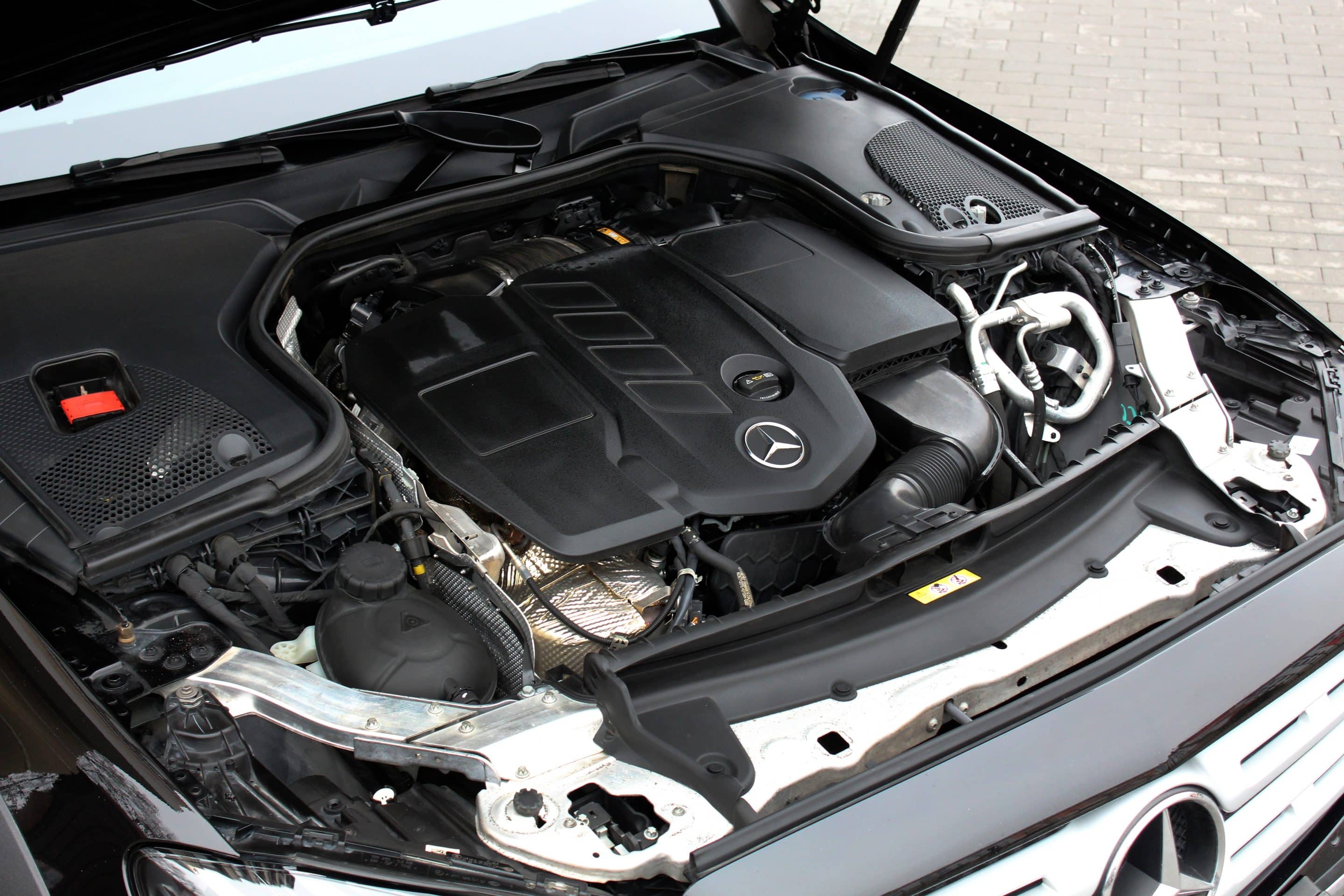
Your Mercedes water pump keeps your engine at safe temperatures. Modern diesel engines produce extreme heat, making cooling essential.
Think of your water pump as the engine’s circulation system. It draws cold coolant from the radiator and forces it through the engine block and head. The coolant absorbs combustion heat, then returns to the radiator to release it into the air, and the cycle repeats.
The Mercedes water pump on 2016+ diesel models is driven mechanically by the auxiliary belt, spinning continuously to maintain coolant circulation.
When components deteriorate, circulation breaks down.
The moment your water pump can’t circulate coolant effectively, your engine loses its primary cooling mechanism. Temperatures rise rapidly, and warning signs begin to appear.
Why Mercedes Water Pumps Fail Over Time
The OM654 2.0-litre diesel engine is known for pump-related failures from 2016 onwards. Failure develops gradually, with owners often unaware until symptoms become impossible to ignore.
Understanding why pumps fail means knowing its causes:
- Seal and bearing wear. Internal seals and bearings experience constant stress as the pump shaft spins. Failing seals allow coolant to escape; worn bearings restrict flow under pressure. Leaks beneath the car are usually the first sign.
- Impeller damage. Inside sits a rotating blade assembly called the impeller, which moves the coolant. Corrosion or erosion makes the blade less effective at pushing coolant. The pump spins but flow diminishes.
- Coolant breakdown. Coolant contains protective additives guarding seals from corrosion. Old or contaminated coolant loses these properties. Without protection, seals harden and crack, accelerating failure.
These causes frequently overlap. Poor coolant condition accelerates seal wear, corrosion triggers impeller damage, and a leaking seal reduces coolant level. It’s a destructive cycle.
A technical evaluation by a Mercedes specialist is vital when the water pump fails. Simply replacing the pump without investigating causes or checking for secondary damage leaves you vulnerable.
Signs That Your Mercedes Water Pump May Be Failing
Water pump failure manifests differently depending on how far it has progressed. Some owners experience gradual temperature rise; others encounter sudden warning messages.
Watch for these indicators of a failing Mercedes water pump:
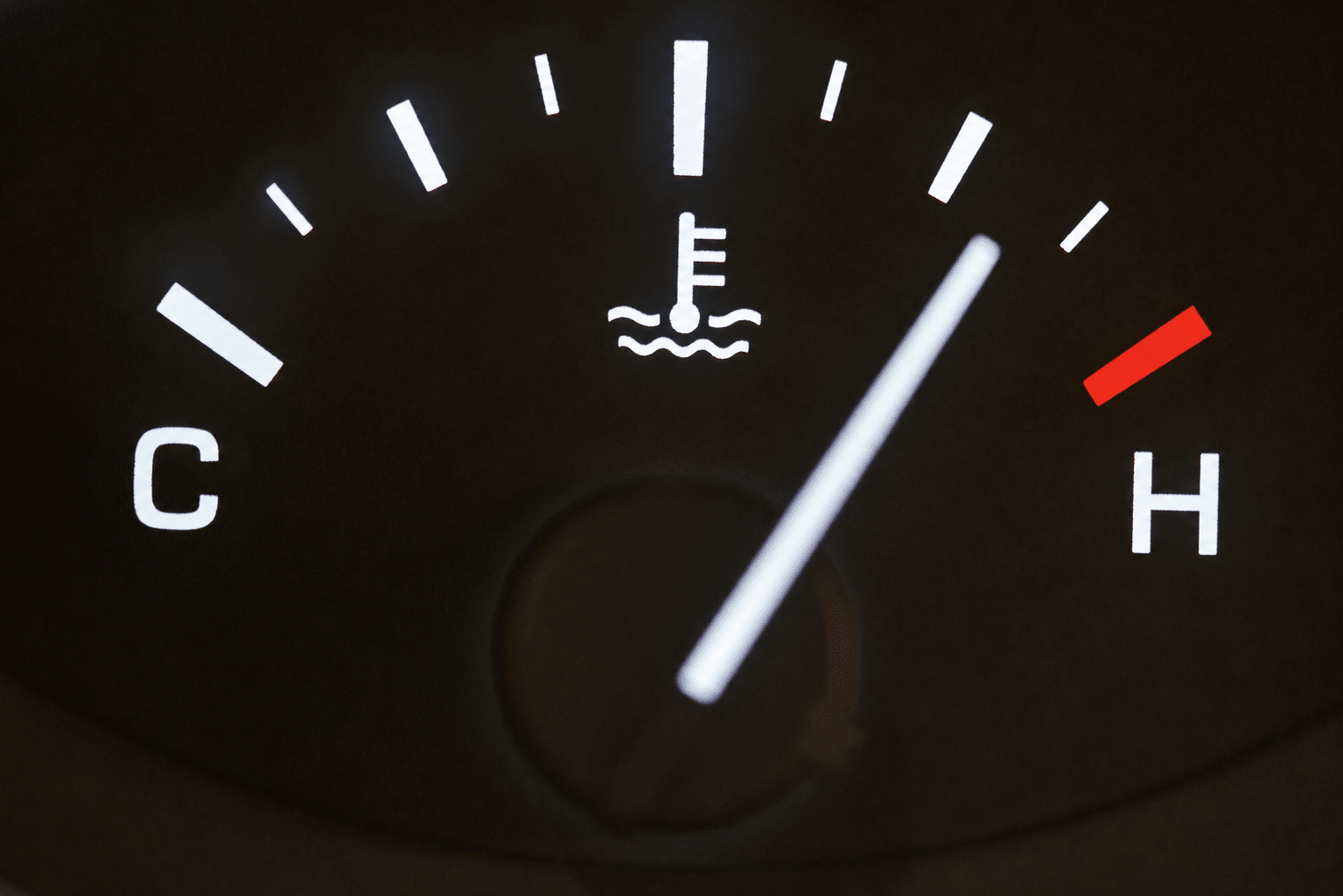
- Temperature gauge climbing: Usually the earliest warning. The needle drifts upward gradually or jumps suddenly into the red zone. This means coolant isn’t circulating effectively, and heat is building.
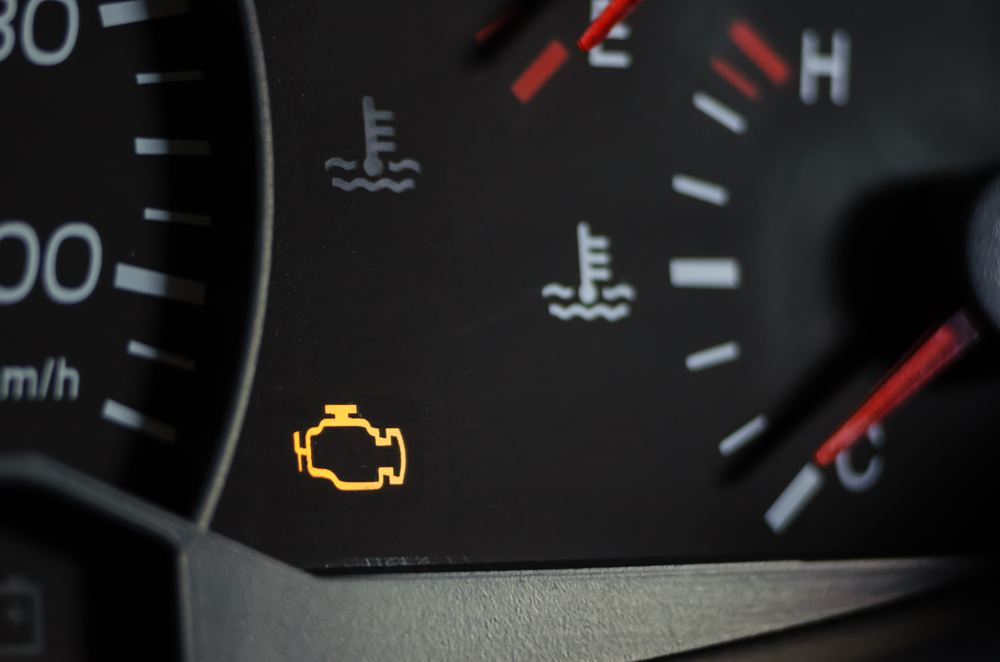
- Dashboard coolant alert: A coolant temperature warning appears on the instrument cluster. Some Mercedes models also sound an audible alert to grab your attention immediately.
- Fluid pooling beneath the engine: A failing water pump seal allows coolant to leak. You might notice drips under the car when it’s been parked, or a puddle forming after a drive. Low coolant makes overheating worse.
- Steam rising from beneath the bonnet: When coolant reaches boiling point, steam forms visibly. This is a sign that temperatures have become dangerously high and immediate action is needed.
- Reduced engine power or sluggish acceleration: Modern Mercedes engines have thermal protection built in. When they detect overly high temperatures, the engine management system reduces power output to prevent catastrophic damage. Your car becomes slower and less responsive.
These symptoms can point to multiple cooling issues, so they aren’t definitive. But they signal the need for action.
Every hour of further driving with a failing water pump risks worse damage. If you’ve spotted warning signs, Mercedes overheating demands immediate attention. Fitch Autos, Brownhills, can evaluate your cooling system and diagnose the true cause.
The Consequences of Leaving a Water Pump Fault Unresolved
Ignoring a failing water pump isn’t just inconvenient, it’s expensive. The longer the engine runs without proper cooling, the damage compounds. Heat damage can spread throughout the cooling system and beyond.
When the water pump fails, heat builds up faster than it can escape. Cast metal components expand, stressing all bolted connections.
Sustained overheating attacks the head gasket, allowing coolant and combustion gases to mix. This leads to white smoke, steam, and eventually catastrophic engine failure.
In extreme cases, the cylinder head warps or cracks. Replacement is one of the costliest repairs on any diesel engine.
Catch and fix a Mercedes water pump issue early, and it’s manageable. Leave it, and you’re facing thousands of pounds in secondary engine damage.
Mercedes Models Most Prone to Water Pump Failure
Mercedes water pump failure is tied to a specific engine family rather than individual models.
The OM654 2.0-litre diesel engine powers numerous Mercedes variants from 2016 onwards and uses a belt-driven water pump. This engine and pump combination is where water pump failures are most commonly reported.
You’re most likely to encounter this fault in:
- Mercedes C-Class diesel variants (C200d, C220d, C300d) from 2016 onwards, where a Mercedes C-Class water pump problem is well documented
- Mercedes E-Class diesel variants (E200d, E220d, E300d) from 2016 onwards
The OM654 also powers the GLC-Class, A-Class, GLA, and GLB models, all susceptible to this fault.
Asking yourself “why is my Mercedes overheating?” often signals cooling issues. Concerned about Mercedes water pump failure? Fitch Autos, Brownhills can evaluate your vehicle and advise you with expertise.
How Fitch Autos Diagnoses and Resolves Water Pump Issues
Several different problems can produce similar overheating symptoms. Replacing parts based on guesswork wastes time and money. That’s why technical evaluation comes before replacement.
When you bring your Mercedes to Fitch Autos, Brownhills, we begin with a detailed conversation. We’ll explore questions like:
- When the overheating first began and whether it has occurred repeatedly or was isolated.
- Whether the temperature warning appeared on the gauge, a dashboard message, or both.
- Whether you noticed any puddles, steam, or other physical signs before the warning arrived.
This helps us focus the evaluation on probable causes.
We don’t just guess or replace parts without understanding the root cause. Our experienced technicians perform comprehensive evaluations combining specialist knowledge with manufacturer-grade diagnostic equipment.
We read fault codes, conduct pressure tests, inspect for leaks, and verify pump function. We examine related components like the thermostat, hoses, and radiator since water pump issues can result from or lead to faults elsewhere.
Once we’ve identified the true problem, we present findings to you clearly. No work happens without your approval and understanding.
The repair involves removing the old water pump and fitting a Mercedes-approved replacement, addressing related components as needed. We refill and bleed the cooling system, then run the engine to confirm stable temperatures.
Address a failing water pump early to avoid far more serious engine damage.
Why Choose Fitch Autos for Your Mercedes Water Pump Replacement?
A failing water pump feels serious, and left long enough, it becomes one. With a skilled specialist handling overheating concerns, most repairs remain manageable once the root cause is found.
If you’ve been wondering why is my Mercedes overheating, Fitch Autos, Brownhills is ready to help.
Our skilled technicians have dealer-level diagnostic software to pinpoint the cause. We conduct thorough evaluations, explain findings clearly, and only move forward when you’re confident.
Brownhills residents choose Fitch Autos for Mercedes C-Class water pump replacements because we offer:
- Skilled Mercedes technicians with dealer-level diagnostic software and specialist tools.
- 12 months parts and labour warranty on all our repairs.
- Courtesy car while your Mercedes undergoes repair, so your life continues without interruption.
- Transparent pricing with no hidden charges or surprise bills.
We’ve built a strong reputation from {{review-count}} customers who have rated us {{average-rating}} stars on Google for skilled repairs and better-than-dealer value.
If your Mercedes is running hotter than it usually does or you’ve identified other cooling concerns, contact Fitch Autos on 01543 452630 today. The sooner we investigate, the more effectively we can protect your engine from additional damage.
Frequently Asked Questions About Mercedes Water Pump Failure
How much does a Mercedes water pump replacement cost?
Costs vary by model and scope. C-Class and E-Class jobs differ. We provide estimates before work. Early repair is far less expensive than fixing prolonged overheating damage.
What are the signs of Mercedes water pump failure?
The most common signs include your temperature gauge rising higher than normal, coolant warnings appearing on the dashboard, coolant pooling beneath your car, visible steam coming from the engine, or your engine entering reduced power mode. These same symptoms can come from other cooling faults, so a technical evaluation by a specialist is the only way to pinpoint what’s actually failing.
Can I keep driving if my Mercedes is overheating?
No, you shouldn’t continue driving if your Mercedes is overheating. The risk of severe engine damage is very real, including head gasket failure, cylinder head warping, or complete breakdown. Pull over safely and contact Fitch Autos on 01543 452630 immediately.
How long does a Mercedes water pump replacement take?
The timeframe depends on your specific Mercedes model and whether additional components need attention. Once our technicians at Fitch Autos complete the technical evaluation, they’ll outline the expected duration, giving you complete visibility of how long the repair will take.