Mercedes Spring Vehicle Check
For most drivers, the end of winter passes without a second thought. The car starts each morning, the brakes do their job, and nothing feels out of the ordinary.
That confidence can be misleading though… winter conditions often cause wear that builds up without any obvious signs.
Freezing temperatures, salt-treated roads, standing water and pothole-damaged surfaces can all accelerate corrosion and mechanical deterioration across key areas of your vehicle. By spring, your Mercedes may be carrying damage beneath the surface that only reveals itself once driving habits change and the weather warms up.
A spring assessment gives you the opportunity to identify these issues before they become more serious or more expensive to resolve.
To help you understand what a Mercedes spring vehicle check involves and why it matters after the colder months, the team at Fitch Autos, Brownhills have put together this practical guide.
In the sections that follow, you’ll find out what winter can do to your Mercedes, why certain areas deserve attention, and how a seasonal check helps keep your car safe, reliable and performing the way it should as you head into spring and summer.

Why a Mercedes Spring Vehicle Check Matters After Winter
Winter presents unique challenges for every vehicle, and even a well-engineered car like a Mercedes isn’t immune to seasonal wear.
Several systems across your Mercedes, from braking and suspension to battery and electrical components, can be affected by prolonged exposure to cold, moisture, and road contamination.
Common examples include:
- Frequent short journeys during winter can prevent your engine and battery from consistently reaching full operating temperature and charge, placing additional strain on both over time.
- Road salt accelerates corrosion on exposed metalwork, brake components and underbody fixings.
- Pothole impacts can push wheel alignment out of specification without triggering any obvious warning sign.
- Repeated freeze-thaw cycles cause rubber seals, bushes and hoses to deteriorate faster than they would in milder conditions.
The challenge is that many of these problems develop gradually.
Your Mercedes may still feel ok to drive, even when parts are already worn, weakened or performing below the standard they were designed for.
Having your Mercedes checked in the spring catches these issues early, before they affect safety, performance, or reliability. It’s also far more cost-effective to address minor wear now than to face the larger bills that can follow when problems are left to worsen.
A Mercedes spring vehicle check helps to:
- Support fuel efficiency and smooth engine performance by identifying developing issues before they progress.
- Pick up winter-related wear before it worsens or leads to component failure.
- Lower the risk of unexpected breakdowns, MOT failures and avoidable repair costs.
- Identify any deterioration in braking performance, handling or ride quality after months of harsh conditions.
Thinking of it as a pre-summer or pre-Easter car check can help with timing.
Spring provides the best opportunity to deal with winter-related wear before longer journeys and holiday driving, which place extra demand on components that may already be past their best.
The Spring Checks Your Mercedes Shouldn’t Go Without
A Mercedes spring vehicle check is essentially about assessing what winter may have affected and whether anything needs attention.
Winter wear doesn’t always reveal itself through a dashboard warning or a noticeable change in how your car drives. Some of the most commonly affected areas lie beneath the surface and can continue to deteriorate until the repair becomes significantly more costly.
Here are the key areas worth paying attention to after the colder months:
Tyres and Wheel Alignment
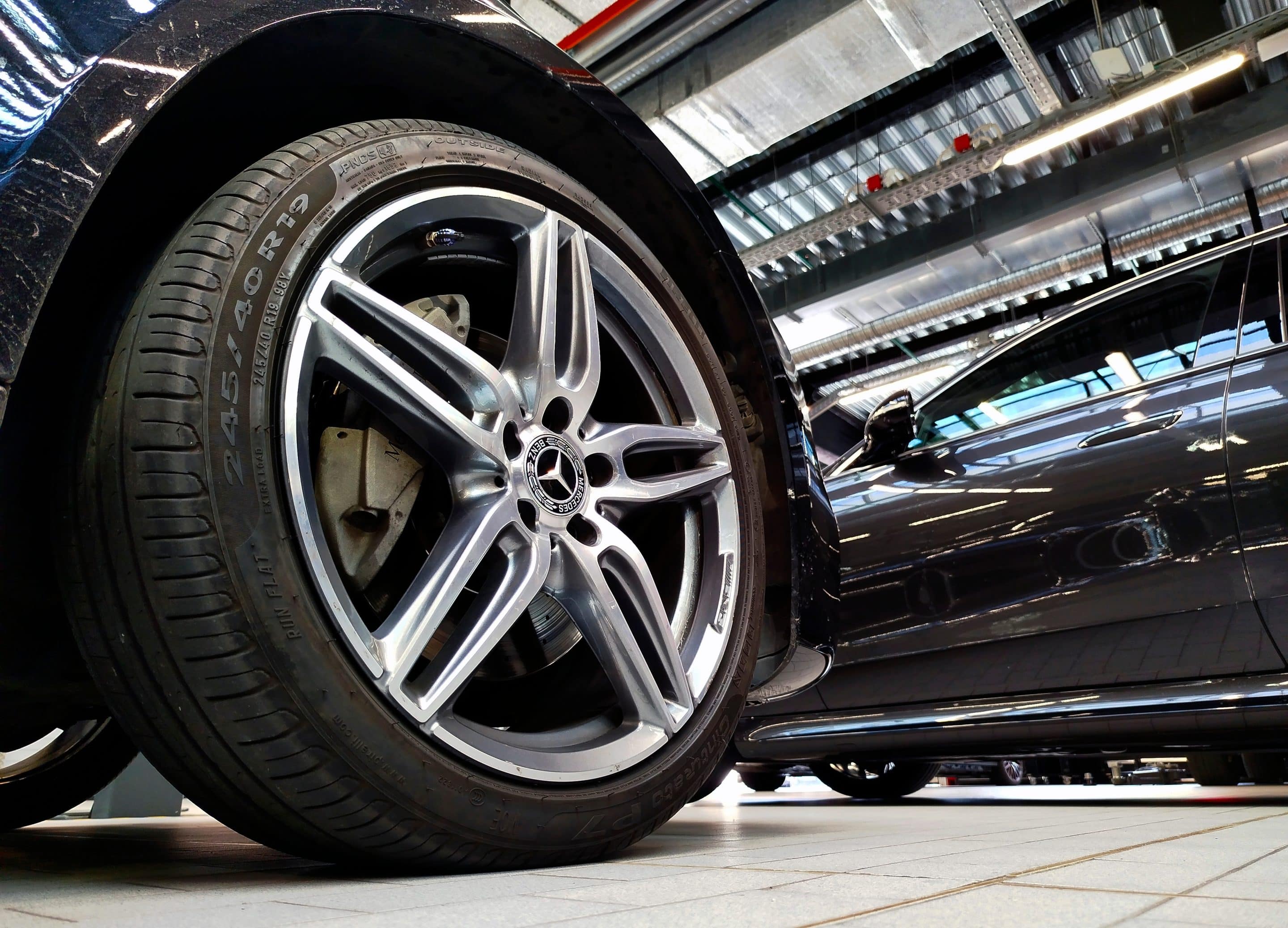
Months of winter driving can take a real toll on your tyres without it being immediately obvious. Pothole impacts, road debris and broken surfaces can all lead to uneven tread wear, sidewall damage or a slow loss of pressure that goes undetected for weeks.
Tyre pressures naturally shift with temperature changes, and if yours haven’t been checked since autumn, there’s a reasonable chance they’ve moved outside the manufacturer’s recommended range.
Mercedes vehicles rely on precise suspension geometry, and even a minor impact can push alignment out of specification. Once alignment shifts, your tyres begin wearing unevenly, and you may feel the car pulling to one side, which affects both handling and how long your tyres last.
If your tyres haven’t been looked at since before winter, having tread depth, pressures, overall condition and alignment assessed is a worthwhile step to confirm your Mercedes is tracking correctly and your tyres remain safe and legal heading into the warmer months.
Brakes
Winter conditions significantly increase the demands on your braking system. Wet roads, salt exposure and more frequent braking all speed up wear across pads, discs and callipers. Salt and moisture can also promote corrosion on disc surfaces, particularly where the car has been parked up or driven only occasionally.
Your Mercedes depends on correct disc thickness, consistent pad depth and proper calliper function to deliver the braking response it was engineered to provide. Once any of these fall outside specification, stopping performance drops, and the system may not react the way you’d need it to in an emergency.
After months of wet winter roads and heavy brake use, spring is a practical point to have pad and disc condition, corrosion levels and calliper function reviewed to confirm your brakes are performing to the standard your Mercedes requires.
Battery
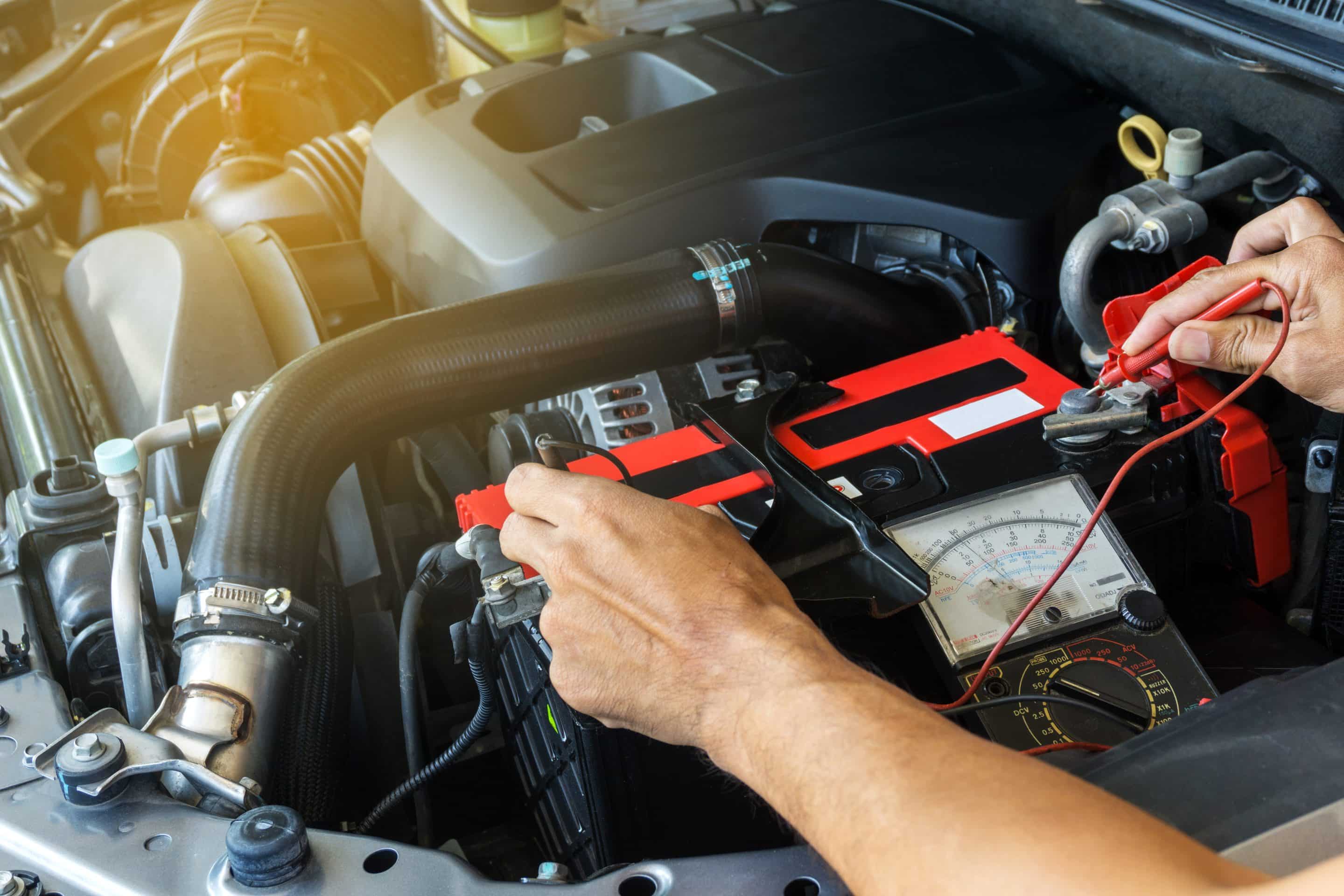
Short journeys, freezing mornings and extended periods of inactivity during winter all place considerable strain on your car’s battery. Cold temperatures reduce output, and if most of your winter driving has been short local trips, the battery may have rarely had a chance to fully recharge.
A battery that performed well heading into autumn can lose significant capacity during the colder months, with no obvious indication until it fails.
The battery is an important part of any Mercedes spring vehicle check.
Unlike older vehicles, a modern Mercedes draws power from its battery continuously. Control modules, sensors and comfort features all consume power whether the engine is running or not, so even a modest decline in battery health can have a wider effect than you might expect.
You may notice the engine cranking more slowly, dashboard warnings appearing without clear cause, electrical systems behaving unpredictably, or stop-start failing to engage consistently. Because Mercedes electronics rely on stable voltage, a weakening battery can sometimes be behind faults that seem entirely unrelated.
If your battery has been in use for a few years, or the engine hasn’t been turning over as confidently as it used to, spring is a sensible time to have it tested before it fails without warning.
Fluids
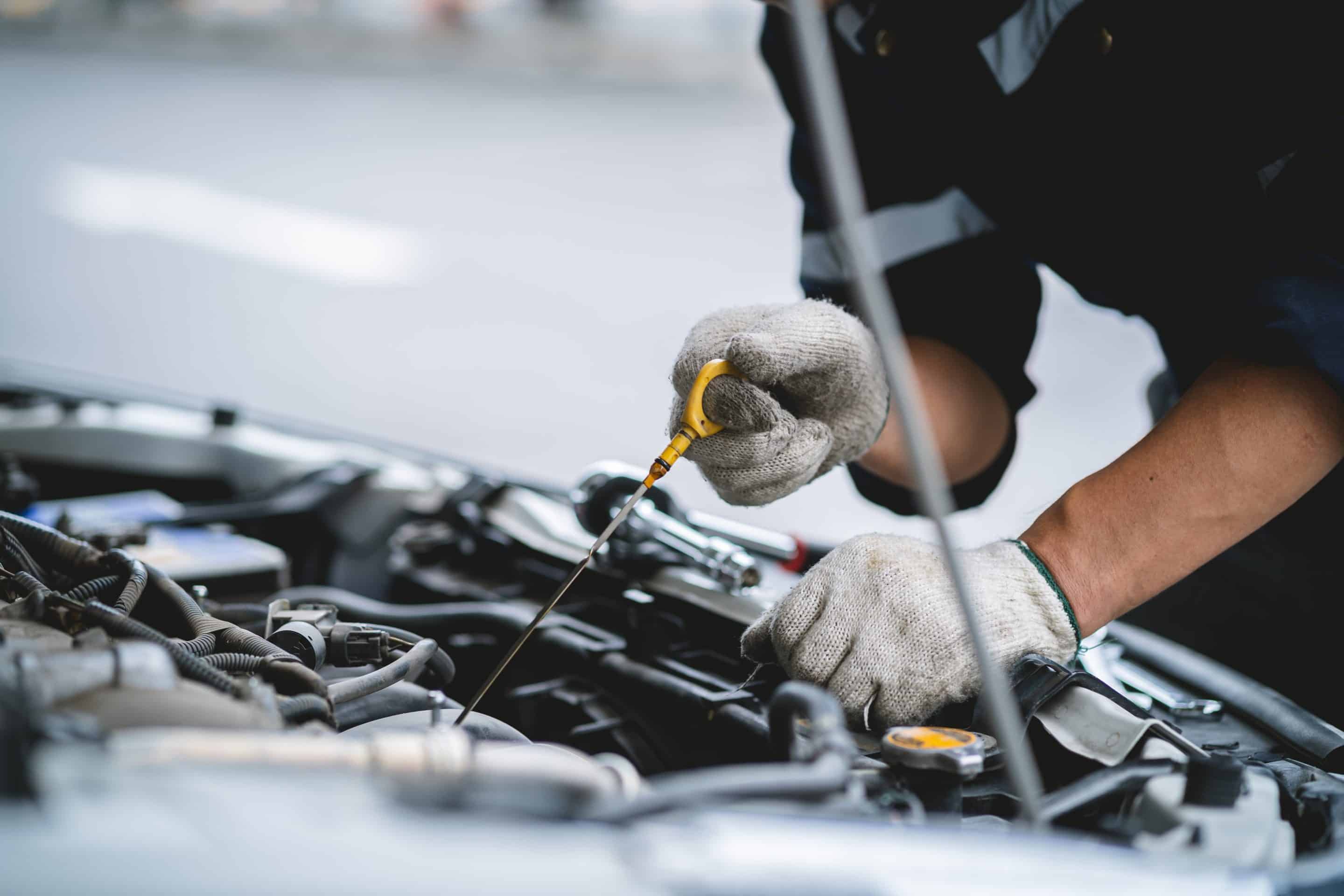
Engine oil, coolant, brake fluid and screenwash all play key roles in keeping your Mercedes performing safely and efficiently; however, winter conditions can affect each one differently.
Short trips during the colder months can prevent your engine from consistently reaching full operating temperature, allowing moisture to build up in the oil and reducing its protective properties.
Coolant levels and antifreeze concentration should also be reviewed after months of cold-weather use.
Beyond your vehicle’s cooling system, brake fluid is another area where time and moisture have an impact. It gradually absorbs moisture as it ages, which can reduce braking effectiveness and contribute to internal corrosion within the braking system.
Spring is a great time to have your car’s fluids and condition assessed, particularly if your Mercedes hasn’t been serviced recently.
Suspension and Steering
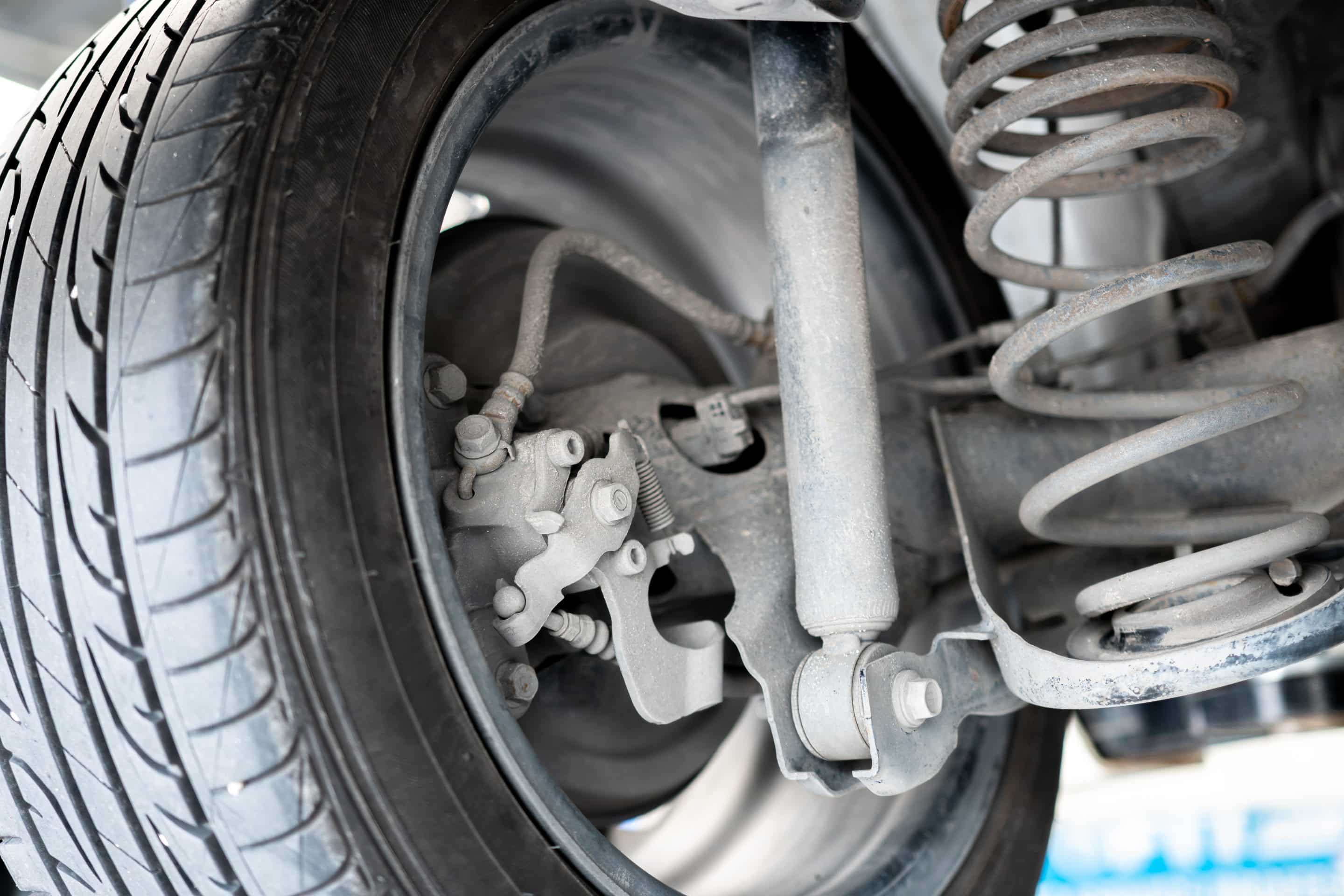
Potholes and broken road surfaces during winter put your suspension under sustained pressure.
Springs, shock absorbers, anti-roll bar links, bushes and steering joints absorb the impact of uneven roads for months on end. That constant workload can gradually take its toll, leading to worn bushes, leaking dampers, or play creeping into steering components, all of which affect how your car rides and responds.
Mercedes suspension is set up to deliver a specific balance of comfort and composure, and it doesn’t take much wear to disrupt that balance. You may notice the car feeling unsettled over uneven ground, new noises you haven’t heard before, or a change in how direct the steering feels.
If anything about the ride or handling has felt different since winter, it’s worth having the underlying components assessed sooner rather than later.
Catching wear early helps protect connected parts from additional strain and keeps your Mercedes driving the way it was designed to.
Lights, Wipers and Visibility
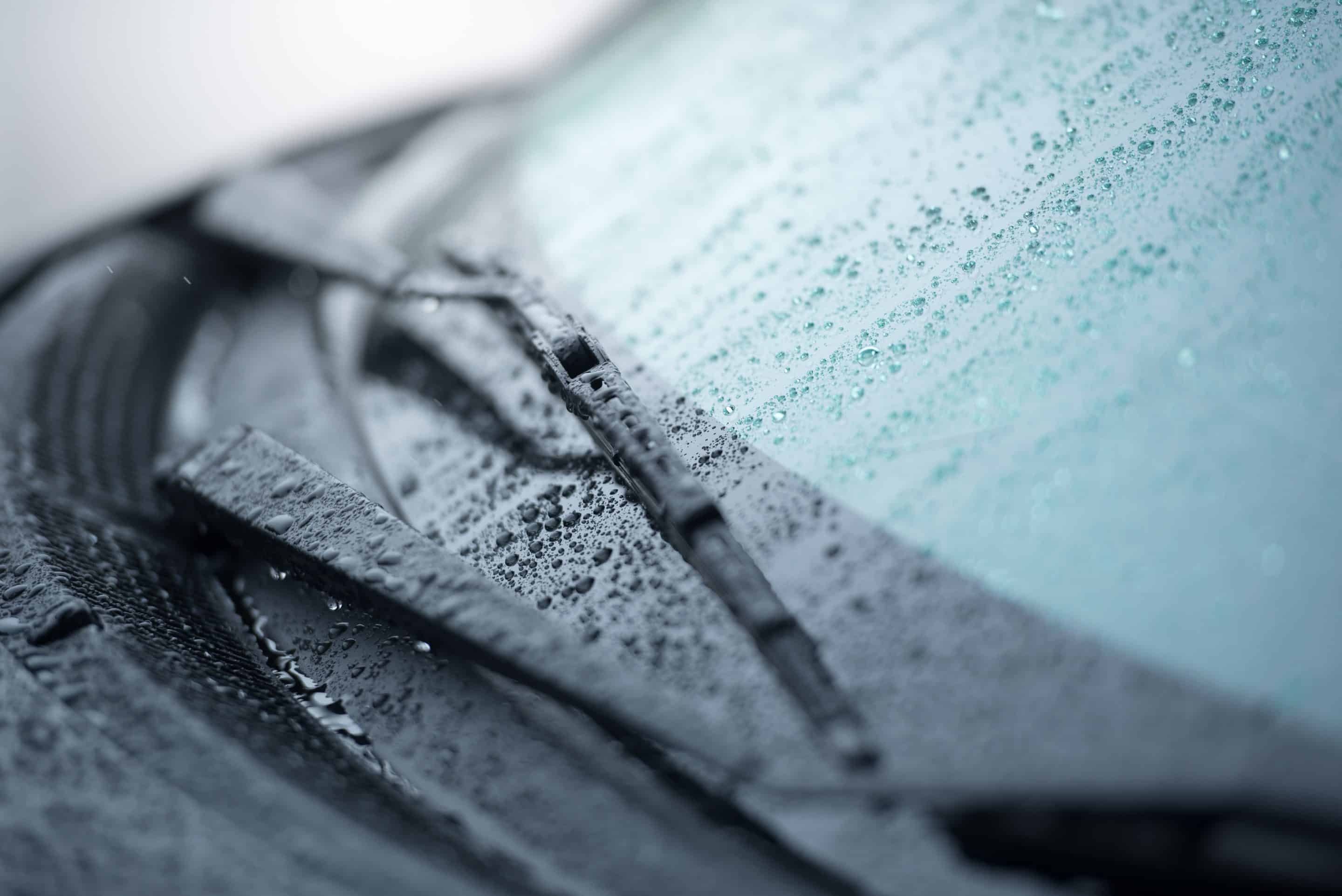
Your visibility components go through a lot during the winter months.
Months of scraping frost, ice, and road grime can leave your wiper blades cracked and ineffective, while headlight lenses may pick up hazing or stone chips that reduce the amount of light reaching the road. Bulbs that have been used more heavily during the darker months may also be approaching failure.
Fully functioning lights and clear visibility are both essential for safe driving and are tested during your MOT.
If your wipers aren’t clearing cleanly, your headlights don’t feel as effective as they once were, or bulb replacement only happens after a failure, spring is a good time to get these checked before they become a safety risk or MOT problem.
Need a Mercedes Spring Vehicle Check in Brownhills? Fitch Autos Can Help
The wear winter leaves behind rarely announces itself all at once. Most of the issues outlined above develop over time, which is why a post-winter car inspection can help you avoid larger problems and higher costs later.
Getting your Mercedes professionally assessed after winter gives you an honest, clear picture of where things stand. It identifies issues that need addressing now and highlights areas worth monitoring, helping you avoid unexpected breakdowns and keep your vehicle safe and reliable as the seasons change.
As an independent Mercedes specialist Brownhills, Fitch Autos has the knowledge, experience and equipment to assess your vehicle to the same standard you’d expect from a main dealer. You also get the personal service and great value that comes from choosing an independent garage.
Here’s why drivers across Brownhills choose the team at Fitch Autos:
- A courtesy car is available so you can carry on with your day while your Mercedes is with us.
- Mercedes specialists with the expertise and experience to work on your vehicle.
- 12-month parts and labour guarantee included on all repairs.
Join the {{review-count}} local customers who’ve rated us {{average-rating}} stars on Google for accurate repairs, excellent servicing and great value.
Whether you’ve noticed something that doesn’t feel quite right, or your Mercedes is overdue for a spring car service Brownhills, get in touch with our team.
If you simply want peace of mind before the warmer months, speak to Fitch Autos, Brownhills, today.